
BEYZ WARDROBE GUIDE
How to create more outfits with fewer clothes
More outfits do not always require more clothes. They usually require seeing the useful connections between the pieces you already own.
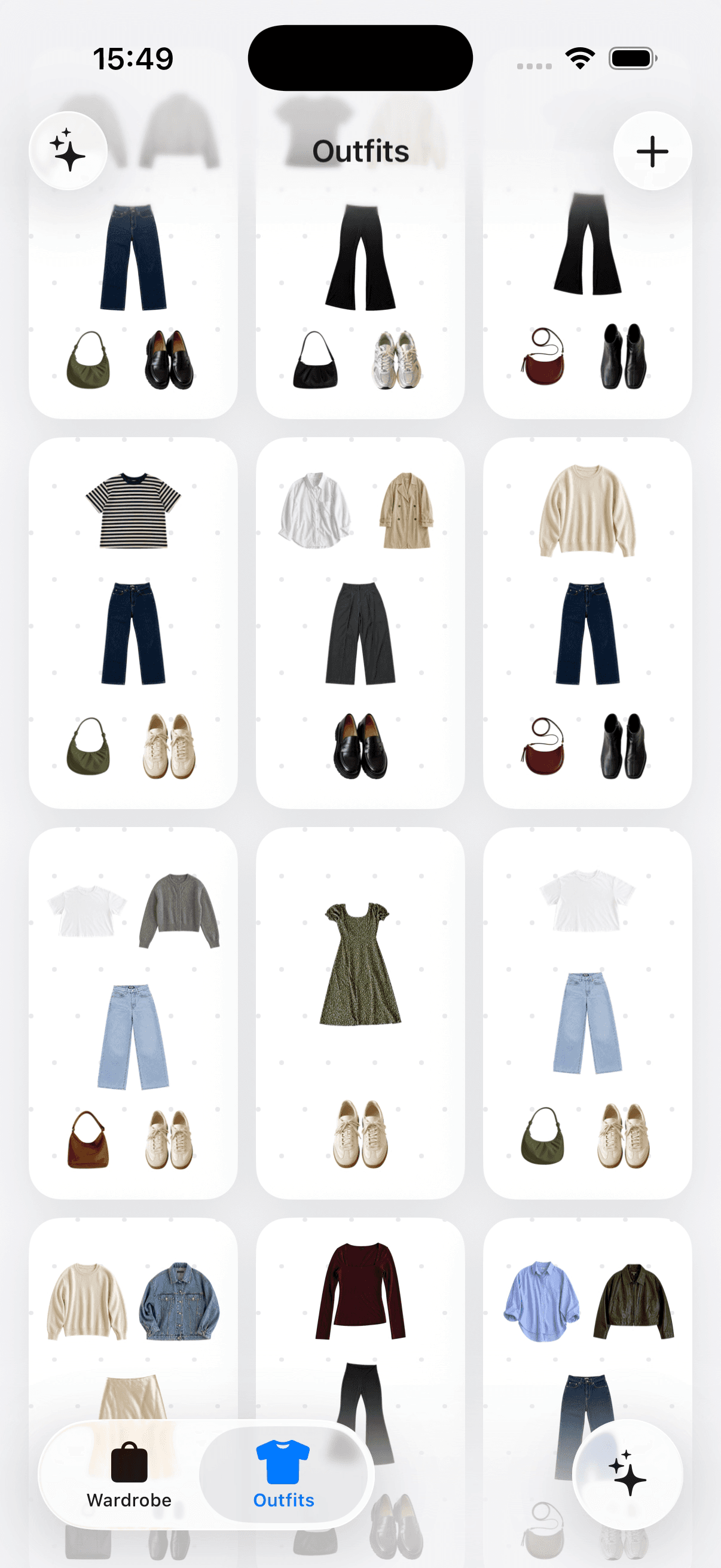
Choose a small working group
Select a few tops, bottoms, shoes, and one or two layers that fit your current season and routine. Working with a smaller group makes combinations easier to compare.
Start with neutral or frequently worn anchor pieces, but do not remove personality. One color, texture, or distinctive accessory can make similar clothing feel different.
Change one part at a time
Keep the trousers and shoes fixed, then test different tops and layers. Next, keep the top and change the bottom. This simple method reveals combinations that are easy to miss when changing everything at once.
Save the outfits that feel balanced and realistic. A smaller collection of wearable looks is more useful than dozens of combinations you would never choose.
Let layers and accessories do more
A jacket, cardigan, bag, or shoe change can shift the same base outfit from relaxed to polished. Include these pieces when using an outfit maker.
Think in complete looks rather than clothing pairs. The same shirt and trousers may support several outfits once the layer, shoe, and bag change.
Find the real gaps
After making several outfits, notice where combinations repeatedly stop working. That gap is more meaningful than a trend or an impulse purchase.
If one missing layer would support five existing outfits, it may be useful. If a new piece works with nothing you own, it may create more decisions rather than solve them.